

 Targeted Repair
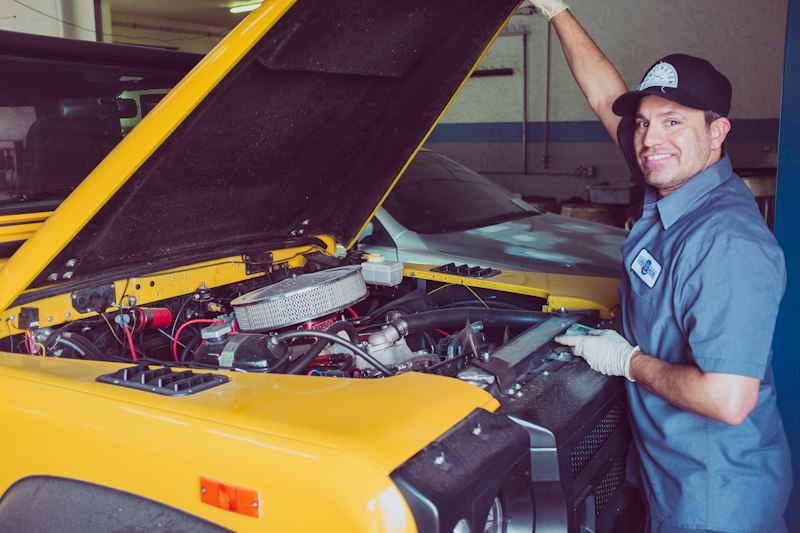
Smart Repair Technology
Localised restoration methods repair minor scratches, dents, scuffs, and clearcoat damage without replacing or repainting an entire panel.
Wood Flooring Derby we provides expert repairs tailored to the specific needs of local homes and businesses, restoring surfaces to their original condition efficiently and reliably. Scratches and surface wear can quickly diminish the appearance and value of your property. At Finish Repair Specialists in Derby, Our experience with Derby’s property styles allows us to deliver repairs that blend seamlessly, whether on wood floors, alloy wheels, or other surfaces.
We start every project with a free, in-person survey to assess the damage and determine the best approach, ensuring transparent, fixed-price quotes based on actual site conditions. Our team handles everything from initial consultation through to final finishing, backed by written workmanship guarantees and environmentally responsible materials. With decades of local knowledge and technical expertise, we focus on delivering durable results that meet your expectations with precision.
Get the numbers you need to plan with confidence—no pressure, just clear and honest pricing.
Surface Restoration
We focus on precise, effective methods to restore worn and scratched surfaces with minimal disruption and lasting results. Our approach covers targeted smart repair technology, comprehensive bodywork restoration, precision wheel refinishing, and detailed surface repairs that closely match the original finish.
Targeted Repair
Localised restoration methods repair minor scratches, dents, scuffs, and clearcoat damage without replacing or repainting an entire panel.
 Full Bodywork
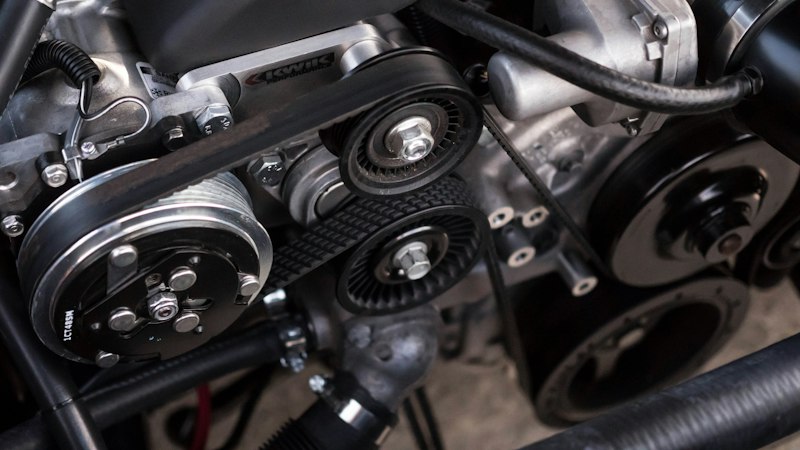
Deeper scratches and broader areas of wear are carefully sanded, filled, prepared, colour matched, and repainted to restore cosmetic integrity.
 Wheel Refinishing
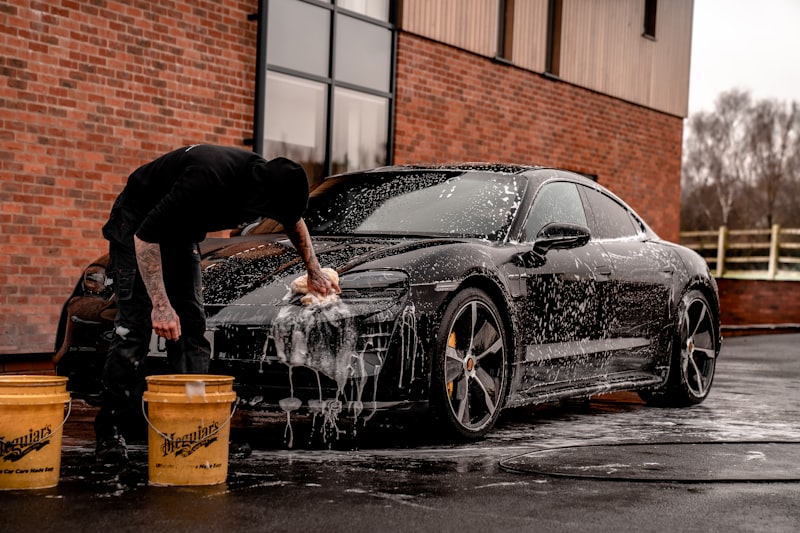
Scratches, chips, kerb damage, and corrosion are removed before rims are refinished, repainted, or powder coated as appropriate.
Specialist Techniques
Each repair is selected according to the depth, location, material, finish, and size of the damaged area. The aim is always to restore the surface accurately while avoiding unnecessary replacement or large-scale refinishing.
 01 — Smart Repair
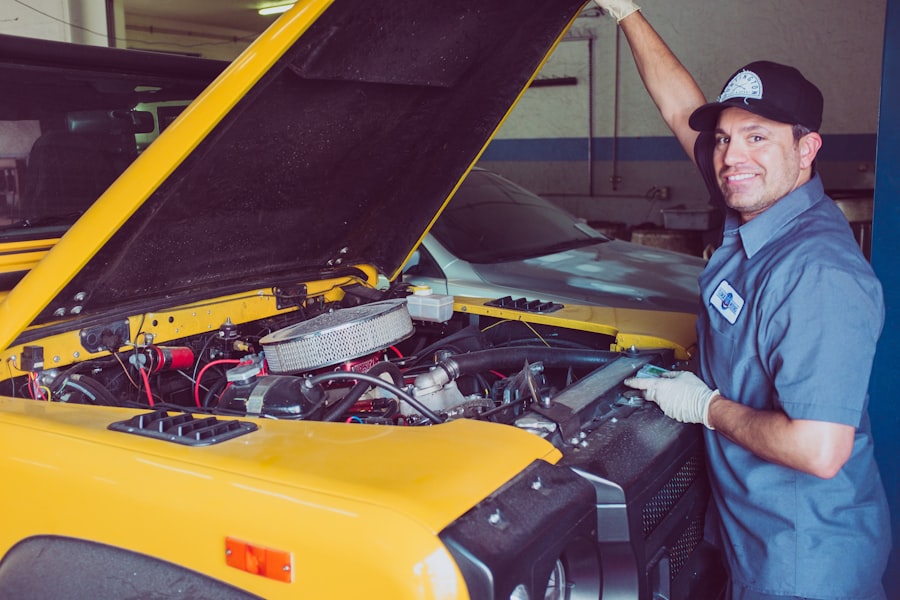
Smart repair uses localised restoration techniques to fix minor scratches, dents, scuffs, and blemishes without full panel replacement or complete respraying. By concentrating only on the damaged area, the method can reduce both cost and turnaround time.
Advanced tools and materials allow colour blends, paint textures, and clearcoat finishes to be matched closely. Typical techniques include paintless dent removal, minor scratch filling, local paint blending, and clearcoat touch-ups that restore shine and surface protection.
Mobile smart repair services can also be completed at the vehicle’s location where the damage is suitable, reducing downtime and avoiding an unnecessary workshop visit.
 02 — Bodywork Repair
For deeper scratches and wear affecting larger areas, professional bodywork techniques may be required. These include controlled sanding, filling, priming, colour matching, repainting, and clearcoat application to restore both cosmetic and protective performance.
Every repair starts with a detailed inspection. Tar, overspray, embedded dirt, polish residue, and other contaminants are removed before refinishing. Specialist colour-matching software is then used to help the new paint blend with the existing finish.
Bumper scuffs, splits, and small holes can also be repaired using flexible fillers and durable coatings designed to retain the bumper’s movement and impact resistance.
 03 — Wheel Repair
Kerb damage and general wear can leave wheels with scratches, chips, coating failure, and corrosion. We prepare and refinish affected areas to restore a uniform colour, smooth surface, and consistent gloss.
Depending on the condition of the wheel, the repair may involve resurfacing, local filling, repainting, lacquer application, or powder coating. Localised repair can preserve the wheel’s service life and avoid the cost of replacement where the rim remains structurally suitable.
Pricing is fixed according to the extent of the damage and the selected finish, helping avoid unexpected additional charges once the work begins.
 04 — Finish Matching
The quality of a repair depends on more than filling the damaged area. Colour, gloss, texture, edge blending, and surface flatness must all align with the original finish for the repair to appear seamless.
After curing, the repaired area is inspected under suitable lighting and polished where required. We check for colour variation, visible edges, surface contamination, pinholes, uneven texture, and inconsistent shine before the work is signed off.
Arranging Repairs
Understanding the damage, repair method, cost breakdown, and expertise involved is essential to achieving a durable finish. We prioritise accurate assessment, transparent pricing, and clear responsibility throughout the project.
We begin with a free in-person survey to inspect the condition of the surface, identify the depth and extent of wear, and determine the preparation and finishing methods required.
Remote estimates and online calculators cannot always identify hidden contamination, unstable coatings, moisture, substrate movement, or previous repairs.
Our quote separates preparation, materials, labour, repair stages, and final finishing so you can see exactly what is included.
This avoids vague lump sums and helps ensure the final price reflects the actual condition of the surface rather than a generic estimate.
A written workmanship guarantee provides clear accountability for the completed repair and demonstrates confidence in the process used.
Where relevant, we also prioritise controlled sanding, appropriate extraction, suitable repair compounds, and certified materials.
Local Experience
Local knowledge supports faster communication, consistent project management, and repair advice tailored to the materials and conditions commonly found across Derby and Derbyshire.
Choosing the Right Repair
The least disruptive method is usually preferred, but deeper or wider damage requires more extensive preparation. The table below shows how the repair approach changes according to the condition of the surface.
| Damage Type | Typical Technique | Main Benefit |
|---|---|---|
| Light clearcoat scratches | Polishing, local clearcoat correction, or smart repair | Minimal intervention with a quick turnaround |
| Minor dents and scuffs | Paintless dent removal and localised colour blending | Avoids full panel replacement where suitable |
| Deep paint scratches | Sanding, filling, priming, repainting, and clearcoat | Restores both appearance and surface protection |
| Bumper splits or holes | Flexible repair filler and durable refinishing system | Retains flexibility and impact resistance |
| Wheel kerb damage | Resurfacing, local filling, repainting, or powder coating | Extends wheel life and can avoid replacement |
| Corrosion or coating failure | Full preparation, corrosion treatment, and recoating | Improves appearance and helps prevent further deterioration |
Light surface scratches, minor dents, scrapes, water marks, worn varnish, dull areas, and some deeper gouges can often be repaired on solid wood furniture and cabinetry.
The repair method depends on the depth of the damage and the type of finish already present. Many localised defects can be restored without fully stripping and refinishing the entire item.
Deep scratches can often be filled using compatible wood fillers, hard wax, or soft wax sticks selected to match the surrounding wood tone.
After filling, stains, pigments, grain pens, or touch-up markers can be used to blend the repaired area into the existing finish without sanding down the whole surface.
Veneer requires a gentle approach because the decorative wood layer can be very thin. Coloured fillers, tinted wax, blending sticks, and specialist veneer repair kits are generally safer than aggressive sanding.
Laminate scratches can be filled using colour-matched repair compounds before the texture and sheen are blended with the surrounding surface.
Because laminate cannot be sanded and refinished in the same way as solid wood, colour accuracy and controlled polishing are especially important.
Suitable wood polish, scratch-reducing cream, finishing oil, hard wax, or a compatible restoration product can reduce the visibility of light scratches and restore a more even sheen.
The selected product must be compatible with the existing coating. Applying silicone, wax, or oil to an unsuitable finish can make future professional refinishing more difficult.
Minor leather scratches can often be softened using a suitable conditioner or leather repair cream that restores moisture and reduces the contrast of the mark.
Harsh solvents, household cleaners, strong abrasives, and unsuitable dyes should be avoided because they can remove colour, damage the protective coating, or cause permanent discolouration.
Arrange a free assessment, receive a fully itemised fixed quote, and get a repair method selected according to the surface, finish, depth of damage, and required result.